
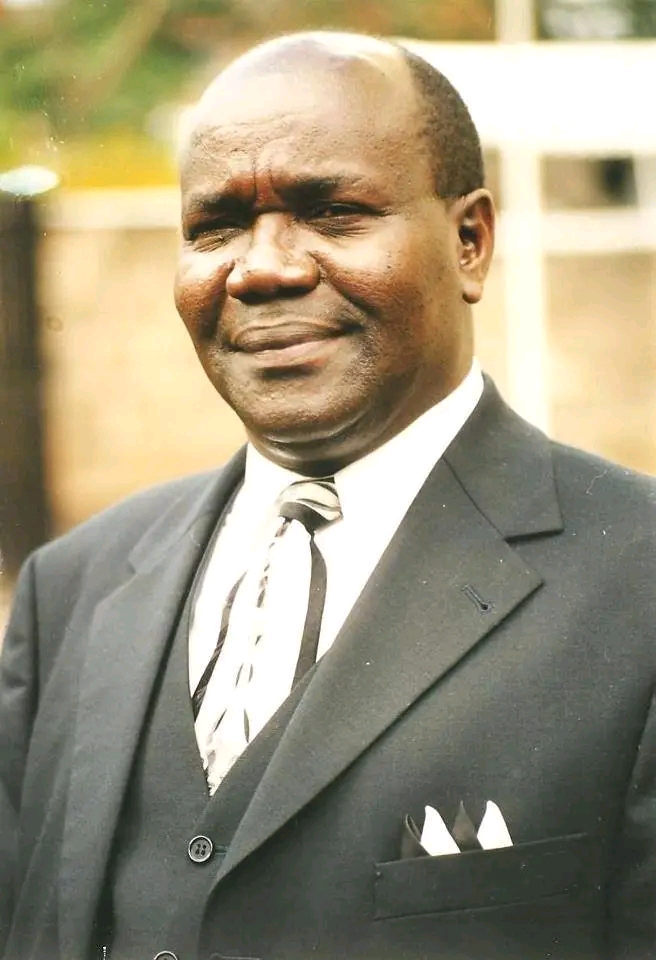
The aftermath of Kenya's 2007 General Election brought a painful period of violence and division.
Communities were affected, families were displaced and fear spread across different parts of the country. At a time when trust was fragile, Kenya needed leaders willing to cross divides and speak for peace.
For Bishop Dr. William Kiplagat Tuimising, this was a moment when his calling to serve extended beyond the church walls.
He joined other Christian leaders in efforts aimed at encouraging dialogue, reconciliation and peace.
Leadership Beyond the Pulpit
Bishop Tuimising had spent decades preaching, building churches and mentoring leaders.
But moments of national crisis require a different kind of leadership.
They require people who are willing to listen.
People who can speak to different communities.
People who understand that peace is more valuable than winning an argument.
The church has an important role to play during such moments because it can bring people together around values that transcend political, ethnic and social differences.
Bishop Tuimising's involvement reflected this broader understanding of Christian leadership.
Choosing Peace When Division Is Easier
The period following the election demonstrated how quickly political differences can become deeper social divisions.
For ordinary citizens, the consequences were devastating.
In such an environment, choosing peace can require courage.
Peace does not mean pretending that problems do not exist.
It means choosing dialogue over hostility, reconciliation over revenge and the future of the nation over personal divisions.
For Christian leaders, it also means reminding people that disagreement does not have to destroy relationships.
A Message for Today's Generation
The lessons from 2007/2008 remain relevant.
Today's young generation is growing up in a world where disagreements can spread quickly, especially through social media.
A comment can become an argument.
An argument can become a division.
And a division can grow far beyond what anyone originally intended.
That is why the example of leaders who promote peace matters.
Young people can choose to become bridge-builders rather than dividers.
They can learn to disagree respectfully.
They can refuse to spread messages that encourage hatred.
They can listen before judging.
They can use their influence to bring people together.
Peace is not only the responsibility of politicians or church leaders.
It is a responsibility shared by every generation.
The Church and the Nation
Bishop Tuimising's involvement during the crisis reflects a wider principle that has shaped his ministry: leadership should serve people where they are hurting.
The work of a church leader does not end at the church door.
It can extend into families, communities and the nation.
Whether through prayer, counsel, reconciliation, mentorship or practical service, Christian leadership can contribute to the healing of society.
A Legacy of Peace
Looking back, the post-election crisis remains an important chapter in Kenya's history.
For Bishop Tuimising, it also became an important chapter in a lifetime of service.
His involvement reminds us that influence carries responsibility.
When people listen to you, your words matter.
When people trust you, your actions matter.
And when society is divided, the courage to pursue peace can become one of the most important forms of leadership.
What Will Our Generation Choose?
Every generation faces moments that test its character.
The question is not whether disagreements will come.
They will.
The question is how we respond when they do.
Will we deepen the divisions around us, or will we become people who build bridges?
Will we pass anger to the next generation, or will we pass wisdom?
Will we remember our differences more than our shared humanity?
Bishop Tuimising's journey offers a powerful reminder:
Leadership is not only about being heard. Sometimes it is about helping people hear one another.
And when a nation is hurting, choosing peace can be one of the greatest ways to serve.
Start Well. Live Well. Finish Well.